Videos
Surprised with the device can
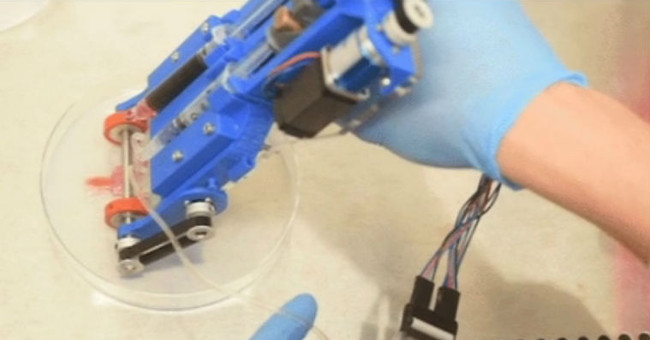
Having a design like a hand-held tape stick, this special '3D printer' can create a layer of tissue just like human skin.
Browse ScienceInfo articles and explainers related to 3D Printing.
188 published items.
Having a design like a hand-held tape stick, this special '3D printer' can create a layer of tissue just like human skin.
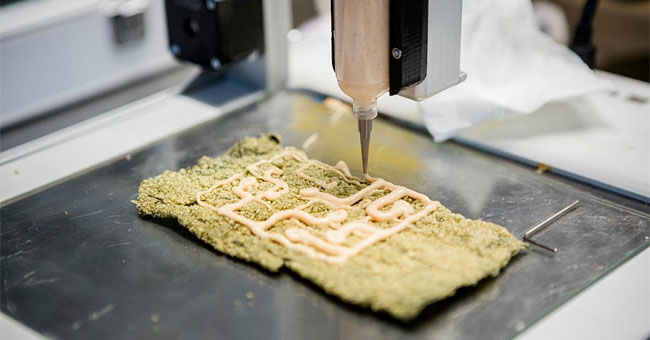
A restaurant in London, England, plans to use 3D printing technology to process food and other items including cutlery and kitchenware.
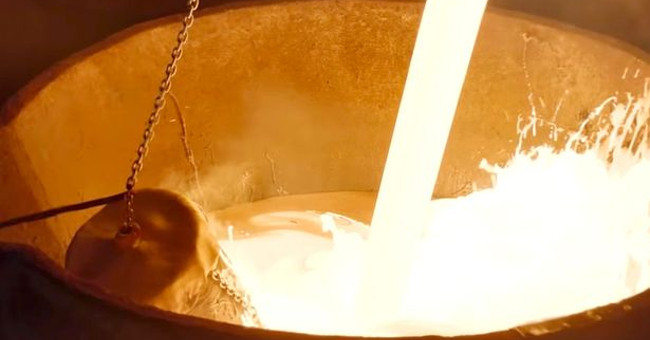
A group of scientists experimented with putting a lump of snow in a steel furnace at a temperature of 2,000 degrees Celsius to check the ability of the refractory materi…
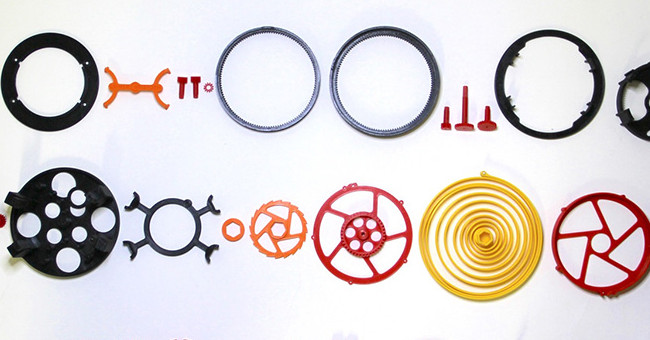
Christoph Laimer, a Swiss engineer, successfully built a pocket watch with 3D printing technology.
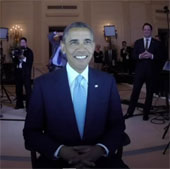
The copy of US President Barack Obama is designed and perfected with high-precision 3D printing technology.
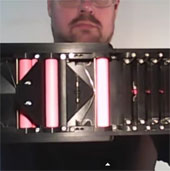
A German designer recently built an automatic machine gun but instead of firing bullets, this gun can fire paper planes.
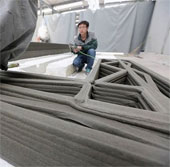
A Chinese company called WinSun Decoration has invented a 3D printer that can print up to 10 houses in 24 hours, using recycled materials from construction waste.
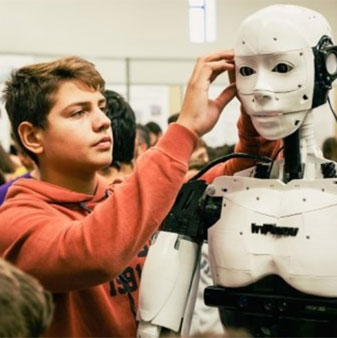
Inspired by sci-fi film Real Steel, a 15-year-old male student in Greece is the youngest person in the world to build a real-size 3D printed robot.
At the end of 2012, Dr. Le Truong Son returned from the US to his wife's home after six years of living abroad.
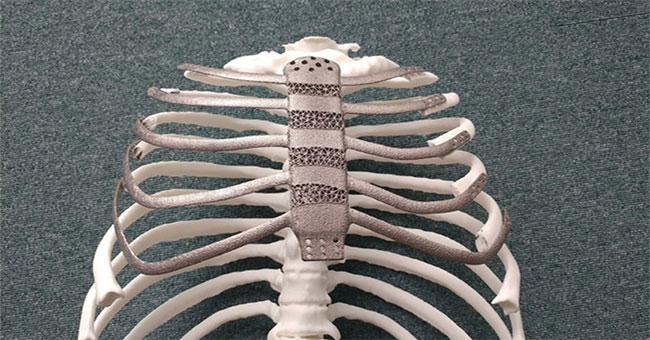
The Chungang University Hospital in Korea said it has created artificial breast and rib bones with 3D printing technology and implanted patients, reconstructing the ches…

In a new study published in the journal Lab on a Chip, a team of experts from the University of Toronto (Canada) tested the device on small wounds in pigs and mice.
3D printing technology today is probably not too new anymore, with many applications in the manufacturing industry.
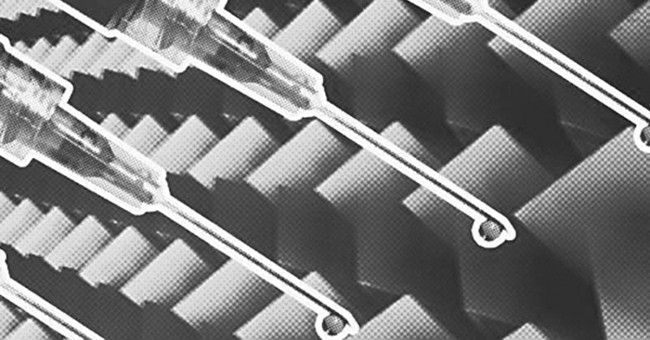
Under the new method, the drug will still be injected into the body, but with a tiny needle and without causing any pain.
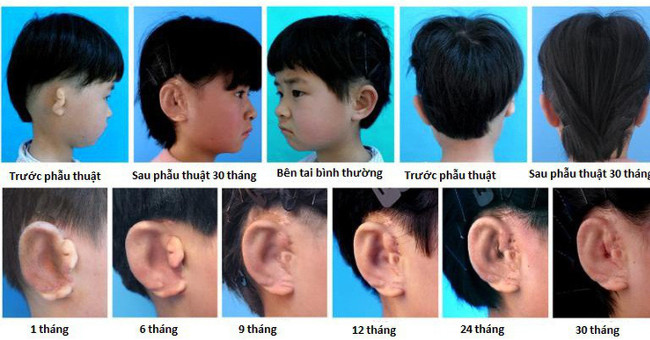
The researchers said they collected the cartilage of five children with small ears to feed the new cartilage cell and shaped a new ear for each patient.
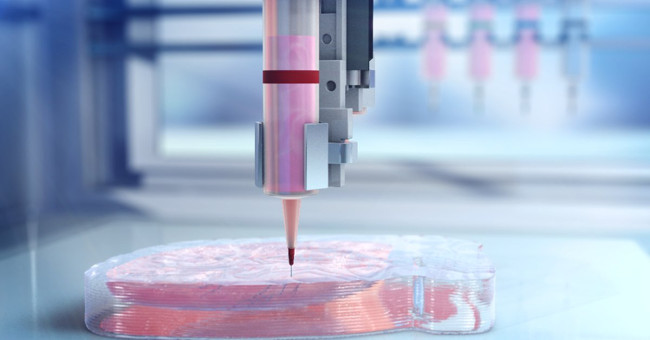
Artificial organs created with biological 3D printing will solve the problem of a shortage of organ donors.